 Author:



The 2027 Vision: Shopping Reimagined
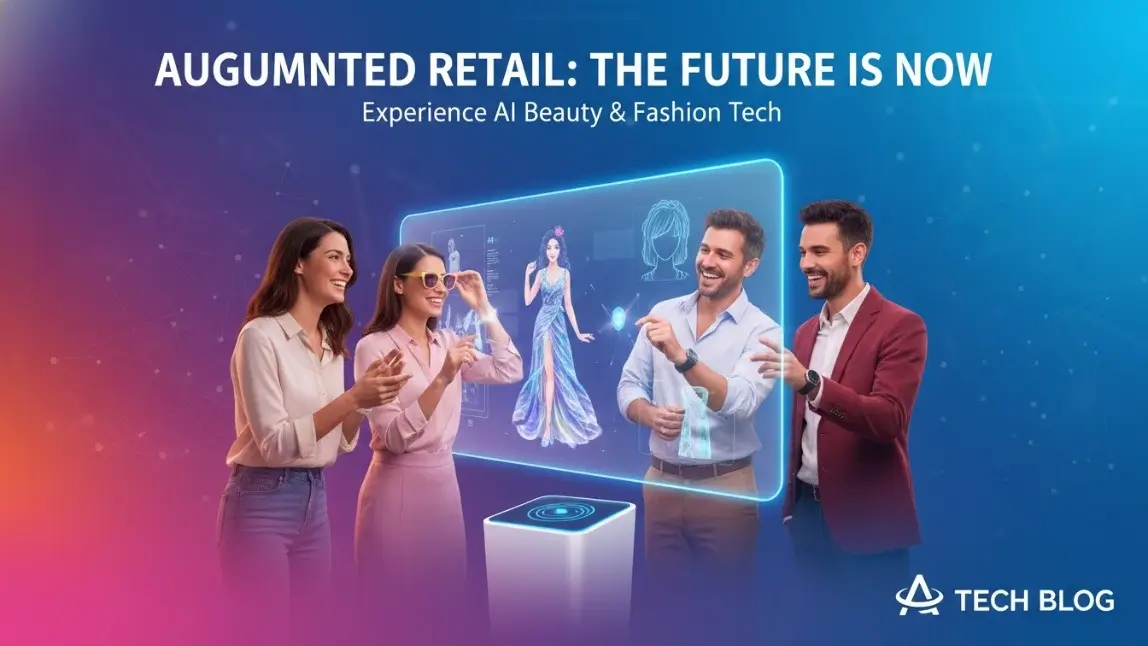
Augmented Reality (AR) has graduated from a marketing gimmick to a fundamental pillar of the customer journey. We are seeing a seismic shift where digital interaction overlays physical reality to create a seamless, 'phygital' experience.
For brands, this evolution means the static product page is dead. It is being replaced by interactive, hyper-personalized experiences that build deep emotional connections before a purchase is ever made.

The Booming Augmented Reality in Retail Market
The augmented reality in retail market is poised for exponential growth, driven by a hunger for immersive experiences.
Data indicates that customers are willing to pay more for products they can visualize before buying. This surge is not limited to luxury goods; it is permeating everyday purchases, from hair color to eyewear.
Brands that fail to adopt these tools risk becoming obsolete in a landscape that favors interactivity. Investing in AR is no longer a futuristic gamble; it is a critical competitive advantage. The ROI is tangible, manifesting in longer session times and higher average order values.
We see a trend where 'try-before-you-buy' becomes the standard expectation, not a novelty feature. This shift demands robust, scalable technology that delivers hyper-realistic results instantly.
The Consumer Perspective: Try, Love, Buy
For the everyday shopper, AR removes the 'what if' from buying online. It eliminates the hesitation of wondering if a foundation matches your skin tone or if a pair of glasses fits your face shape.
- Confidence is Key:
When users can visualize products on themselves with photorealistic accuracy, purchasing anxiety disappears. It transforms shopping from a transaction into a playful, creative session of self-expression.
- Instant Gratification:
Gone are the days of messy testers and hygiene concerns. With AI-powered virtual try-ons, consumers can test thirty lipstick shades in thirty seconds, all without a single wet wipe.
Industry Review: Analyzing Top AR Resources
To give you a comprehensive view, we have analyzed other leading voices in the space. Here is how they stack up against the practical realities of implementation.
1. Reydar: The Stats-Driven Approach
Reydar offers a compelling collection of statistics and benefits. Their content excels at building the business case for AR, highlighting conversion uplifts and engagement metrics. Our Take: While their data is solid, they often focus on the 'why' rather than the 'how.' At Perfect Corp, we believe in bridging that gap by providing the actual tools, like AI Makeup Vto, that deliver on those statistical promises.
2. Salsify: The Commerce Connector
Salsify views AR through the lens of product information management (PIM). They rightly identify that high-quality digital assets are the backbone of any successful AR strategy. Our Take: They are excellent for backend organization. However, for the front-end 'wow' factor, you need specialized AI engines. Our AI Image Generator complements their approach by creating stunning visuals that Salsify's platform can then distribute.
3. Fingent: Reimagining the Future
Fingent provides a broad, visionary look at how AR reimagines shopping. Their articles are inspiring and touch on the integration of mobile apps and in-store kiosks. Our Take: They paint a beautiful picture of the future. We make that future accessible today. Technologies like our AI Skin Analysis are ready-to-deploy modules that turn their visionary concepts into immediate revenue streams.
Under the Hood: Perfect Corp's AI Technology
What makes these experiences possible? It isn't magic; it is sophisticated computer vision and deep learning algorithms. Let’s break down the core technologies powering the 2026 retail landscape.
AI Skin Analysis: The Personal Dermatologist
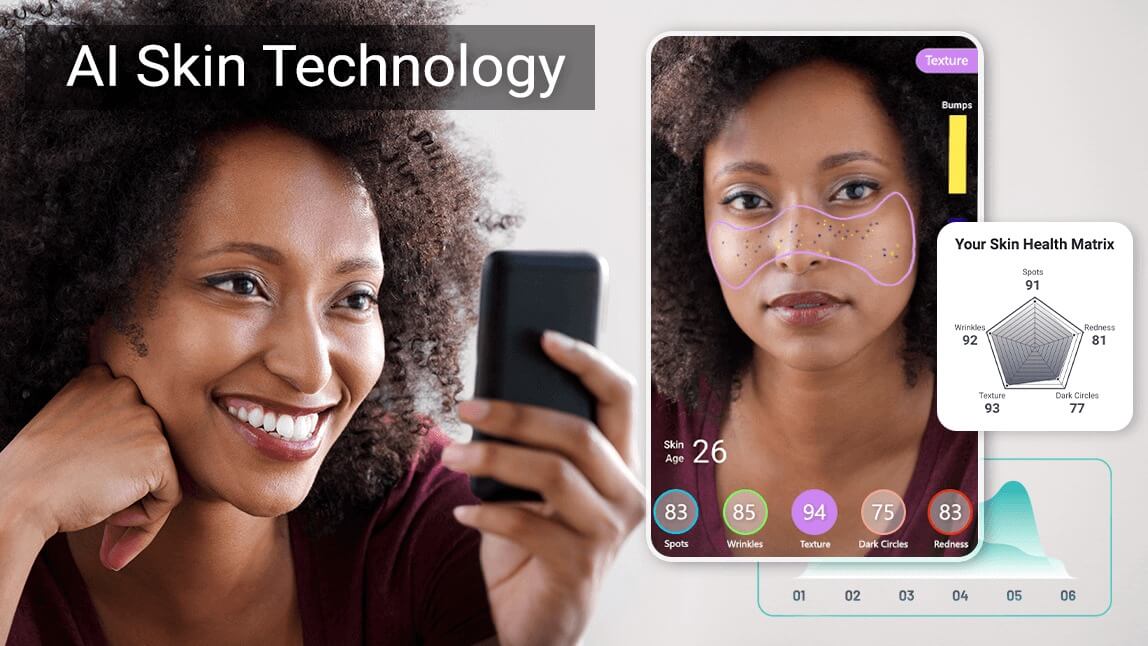
Our AI Skin Analysis technology goes beyond simple filters. It harnesses artificial intelligence to analyze distinct skin metrics, such as texture, pigmentation, hydration, and pore size. For skincare brands, this means offering personalized product regimens based on clinical-grade data, right from a user's selfie.
AI Makeup VTO: Hyper-Realistic Textures
The AI Makeup Virtual Try-On (VTO) API provides a complete workflow for applying professionally designed looks. It doesn't just paste a color on a face; it understands light, shadow, and skin texture to render makeup that looks indistinguishable from reality.
AI Face Analyzer: Precision Recommendations
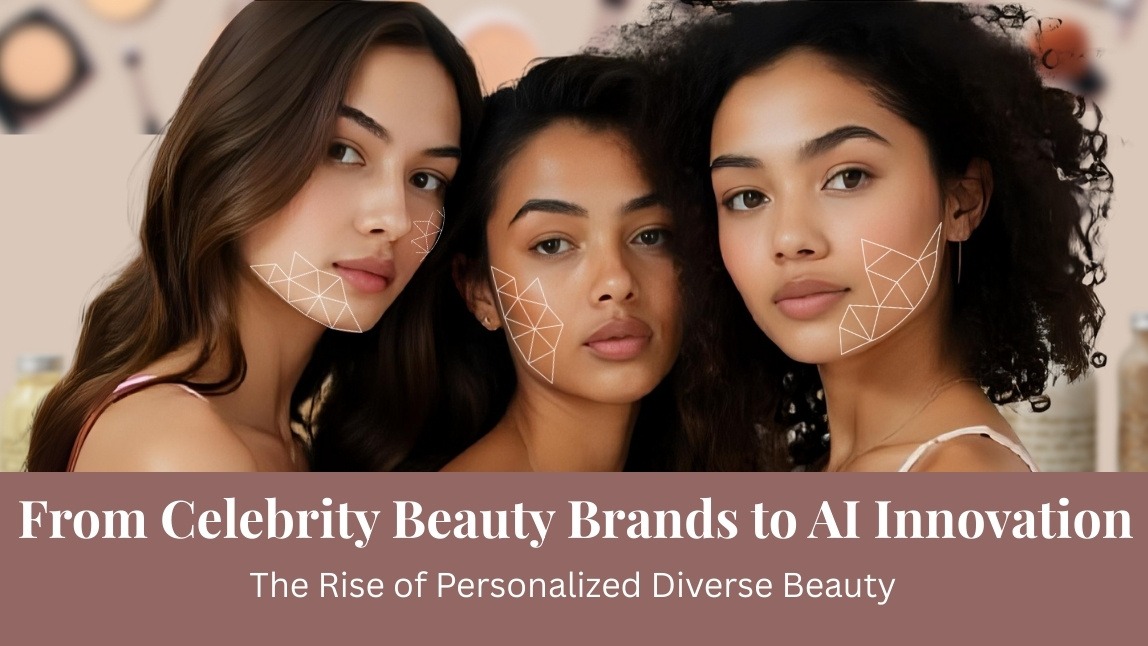
To ensure the perfect fit, the AI Face Analyzer examines facial structures—identifying shapes of eyes, brows, lips, and nose. This data allows for hyper-personalized recommendations, such as suggesting the best contouring style for a round face or the ideal glasses frames for a square jaw.
AI Clothes & Fabric: The Virtual Fitting Room
Moving beyond the face, AI Clothes and AI Fabric technologies are revolutionizing fashion retail. Users can see how fabrics drape and move without physically wearing the item, exploring unique styles and textures in a virtual fitting room environment.
Your Strategic Roadmap to 2027
Winning in the future retail landscape requires action today. It is about layering intelligence over your existing digital channels.
Step 1: Audit Your Customer Journey. Identify friction points. Where do customers hesitate? Is it color selection? Fit? Texture?
Step 2: Integrate Specialized AI. Don't settle for generic filters. Implement specialized tools like AI Hair Color or AI Beard Style Generator to address specific product categories with precision.
Step 3: Leverage Generative AI. Use tools like the AI Image Generator and AI Background Change to create endless marketing assets without expensive photoshoots, keeping your content fresh and relevant.

The era of static retail is over. By embracing these AI-driven technologies, you aren't just keeping up with trends; you are defining the future standard of customer experience. Let's build the beautiful future of retail together.