Author:



Some images in this article may be AI-generated or AI-modified and are provided for illustrative purposes only.
Can You Analyze Your Face Online Safely?
Yes—online face analysis can be used for personalized beauty, skincare, eyewear, and virtual try-on experiences. But a face photo is personal data, and in some contexts data derived from face geometry may be treated as biometric information. The right question is not only “Can I analyze my face online?” but also “What will happen to my photo and the information derived from it?”
A trustworthy experience should make that answer easy to find before a user uploads anything. Look for clear notice about what is collected, why it is processed, whether it is retained, who receives it, and how to request deletion or exercise privacy rights.
This guide focuses on making an informed decision about uploading a face photo. If you want a general introduction to what a face checker does, start there. If you are evaluating technical implementation, see our guide to the Face Analysis API.

What Happens When You Upload a Face Photo?
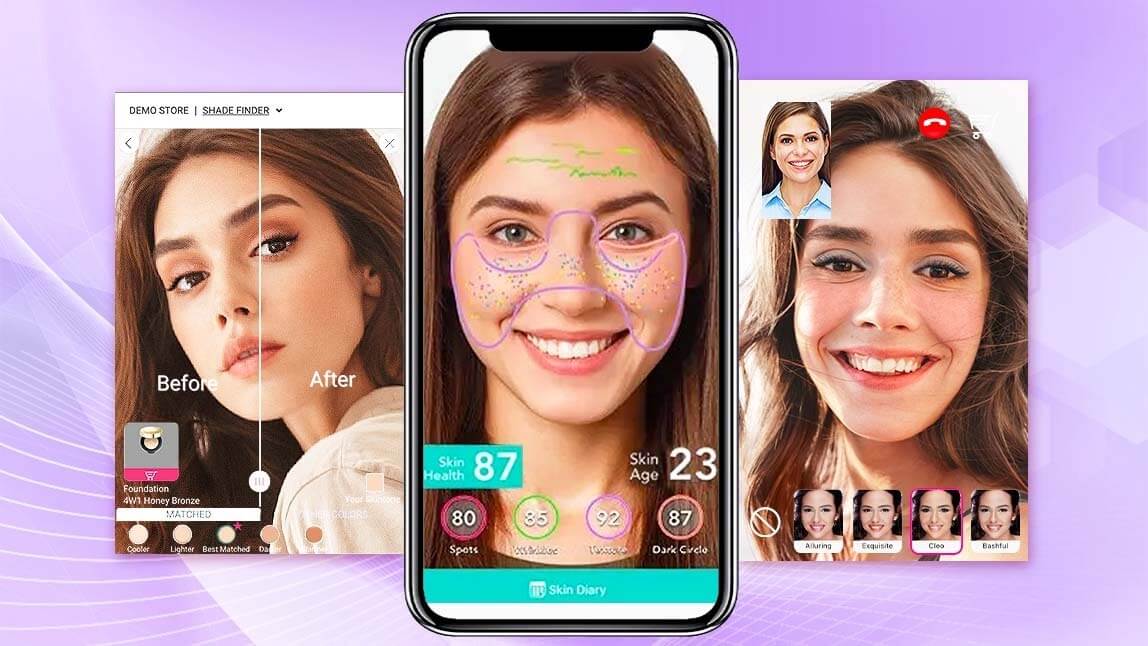
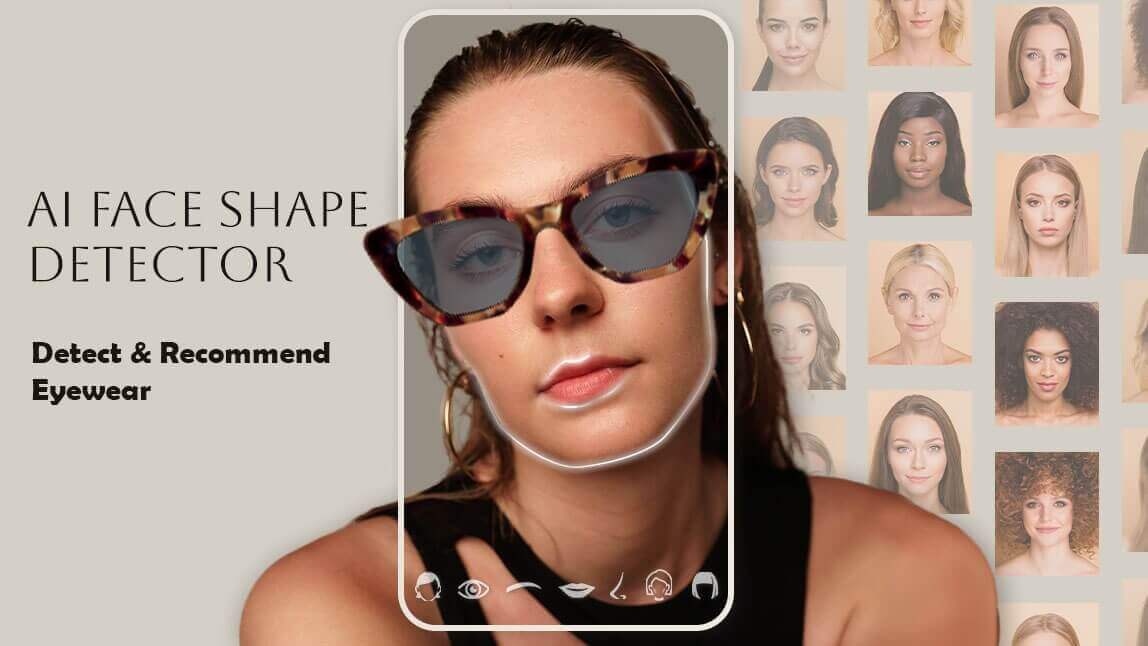
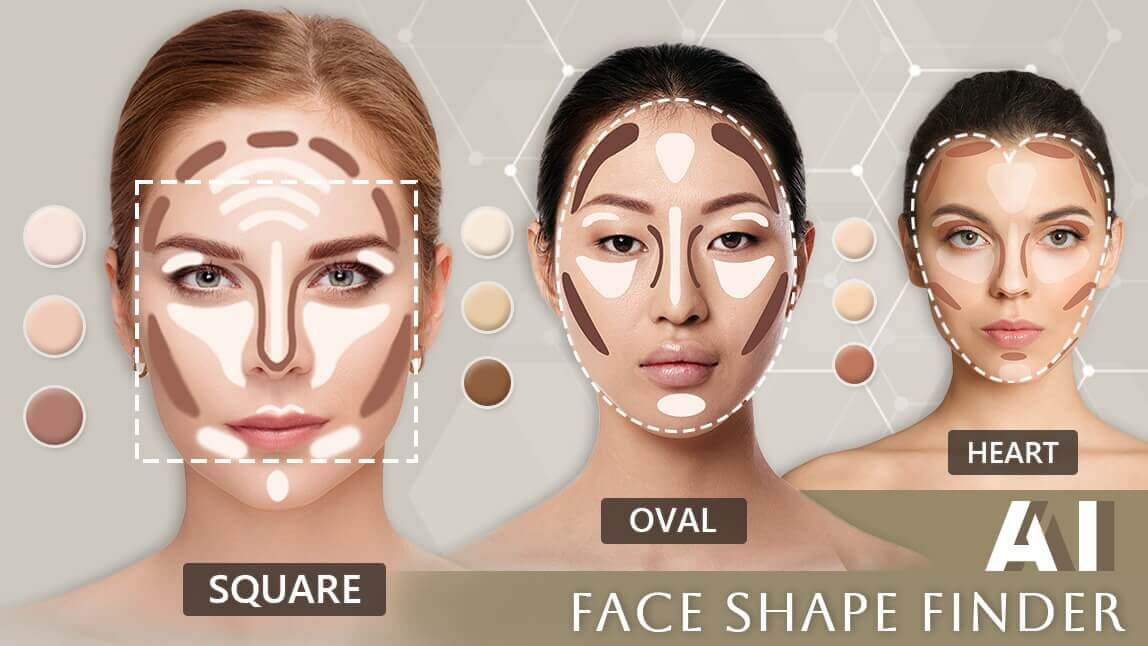
Online analysis tools generally need an image or camera feed to deliver an experience such as shade matching, virtual try-on, skin appearance analysis, or face-shape-based style guidance. Depending on the service, the provider may process the image itself and may generate information derived from it, such as facial landmarks, face geometry, skin appearance indicators, or color attributes.
The details matter. A responsible provider explains whether processing happens on a device, on a server, or through a combination of both; whether the original image is retained; how long any information is kept; and whether a brand using the tool can access or retain the result.
Do not assume that every online tool follows the same practices. Read the privacy notice that applies to the specific site, app, campaign, or brand experience you are using.
7 Privacy Questions to Ask Before You Upload
Use these questions to assess an online face-analysis experience before sharing a photo.
- What data is being collected? Check whether the notice refers only to an uploaded image or also to information derived from facial features or geometry.
- Why is the data being processed? The purpose should be specific—for example, providing a requested virtual try-on or personalized recommendation.
- Is my photo or derived data stored? Look for a clear retention explanation rather than vague language about “security” alone.
- How long is it retained? A useful notice explains when information is deleted or when the purpose of processing ends.
- Who can access it? Identify whether the provider, the hosting brand, service providers, or other third parties may receive the data.
- Will it be used for identification, advertising, or model training? The provider should state these uses plainly. Do not infer an answer from a general privacy statement.
- How can I exercise my privacy rights? Look for a contact route and instructions to access, correct, erase, or otherwise manage applicable personal data.

Face Analysis vs. Facial Recognition
These terms are often confused, but they describe different purposes. Face analysis evaluates visual characteristics relevant to an experience, such as face shape, facial attributes, or color information. Facial recognition or identification aims to determine or verify who a person is.
Before uploading a photo, check whether a provider clearly distinguishes analysis from identification and explains its intended use. A beauty or retail experience should be transparent about whether its technology is designed to personalize an experience rather than identify an individual.
Perfect Corp.'s SaaS privacy policy states that biometric information may be processed to provide personalized services and that Perfect Corp. and relevant third parties do not use facial recognition or identification technology in providing those services. The policy also states that biometric information is not sold, leased, traded, or otherwise profited from. Read the YouCam SaaS Privacy Policy.
A Consumer Checklist for Safer Use
A few practical steps can help you make a more informed choice:
- Use the official website or app of the brand or provider rather than an unfamiliar copycat site.
- Read the privacy notice before enabling a camera or uploading an image, especially when the experience requests facial data.
- Confirm that the experience clearly explains its purpose and gives you a way to contact the organization with privacy questions.
- Use a current browser or app version and avoid uploading photos through public or shared devices.
- Review the terms of any optional sharing, marketing, account creation, or image-saving features separately from the core analysis experience.
- If the notice is unclear, choose not to upload and contact the provider for clarification.
Privacy practices, legal rights, and required disclosures vary by jurisdiction. This checklist is practical guidance, not legal advice.
What Brands Need for Responsible Deployment
For brands, trust needs to be designed into the customer journey—not added as a dense link after a user has already opened their camera. Facial images and derived information can be sensitive, so responsible deployment starts with clear governance.
- Provide a concise, plain-language notice before collection that explains the purpose of the experience.
- Obtain consent where required and make the choice meaningful rather than bundling it into unrelated terms.
- Define data-minimization and retention practices for images and facial-analysis outputs.
- Clarify roles and responsibilities among the brand, technology provider, hosting provider, and other processors.
- Offer a clear method for privacy requests, including access, correction, and deletion where applicable.
- Evaluate vendor security, contractual data protections, and applicable legal requirements before launch.
- Avoid presenting beauty or skincare outputs as medical diagnoses unless the product is designed, validated, and regulated for that use.
For implementation details and the types of face attributes that can support personalized experiences, visit the Face Analysis API guide.
Perfect Corp.'s Privacy Approach
Perfect Corp. states that it designs its solutions with data protection and security in mind. Its compliance information describes commitments related to GDPR principles, ISO 27001 information-security practices, and privacy safeguards for brands and end users. Learn more about Perfect Corp. compliance.
Under the YouCam SaaS Privacy Policy, biometric information may be collected and processed for personalized services. The policy states that this information is not used for facial recognition or identification, is not sold, leased, traded, or otherwise profited from, and is not retained after the purpose of the service has been satisfied. Users can contact Perfect Corp. regarding personal-data requests and privacy questions through the channels listed in the policy. Review the full privacy policy.
Brands should review the policy, product documentation, their own implementation choices, and the legal requirements that apply to their markets. A privacy policy is an important part of a responsible deployment, but it should be supported by clear user communication and operational data-governance practices.
Conclusion: Upload With Clarity, Not Assumptions
You can analyze your face online, but you should understand what a tool collects and why before sharing a photo. The best experiences are transparent about their purpose, data practices, retention approach, privacy rights, and the difference between personalized analysis and identity recognition.
For consumers, that transparency supports a more confident decision to use—or decline—an online experience. For brands, it is the foundation for earning durable trust while delivering personalized beauty and retail journeys.