Author:



Facial analysis for cosmetic procedures uses AI to map a client's facial landmarks and proportions from a photo, so practitioners can open an aesthetic consultation with a shared, visual reference instead of a verbal description alone. It supports the conversation; it doesn't replace clinical judgment. This guide gives clinics, med spas and aesthetic teams a practical six-step workflow for using facial analysis responsibly, from consent to follow-up.
At a Glance
- Facial analysis gives practitioners and clients a common visual starting point for an aesthetic consultation.
- The value comes from the workflow around the scan: consent, consistent photos, practitioner review and careful language.
- Proportion data describes features; it doesn't measure attractiveness or decide what a client needs.
- Face images can count as biometric data, so privacy and staff training belong in the process from day one.
What Facial Analysis Adds to a Cosmetic Consultation

AI facial analysis detects landmarks such as the eyes, brows, nose, lips and jawline, then calculates proportions like facial thirds, fifths and left-right symmetry. Many tools also compare measurements with the golden ratio (about 1.618).
Treat that ratio as one reference point, not a beauty standard: a 2021 review in Plastic and Reconstructive Surgery Global Open concluded that beauty can't be derived from a mathematical formula. For the full explanation of the math, see our guide to the golden ratio face.
In a consultation, the practical benefit is clarity. A client who says "my face looks tired" and a practitioner who sees under-eye hollowing can point at the same image, agree on what they're discussing and talk through options with less guesswork.
How to Use Facial Analysis in Aesthetic Consultations: 6 Steps

The steps below turn a facial analysis tool into a repeatable part of your consultation process.
Step 1: Set Consent and Photo Rules Before the First Scan
Write a short consent script that explains what the scan measures, how long images are kept, who can see them and how clients can ask for deletion. Ask before you scan, every time, and offer a consultation without the scan for anyone who declines.
Step 2: Capture a Consistent, Well-Lit Image
Results depend on input quality. Use the same spot, even front lighting, a neutral expression, hair pulled back and no heavy makeup or filters. Consistent capture conditions also make later comparisons more meaningful.
Step 3: Run the Analysis and Review It Yourself First
Let the tool generate its proportion and symmetry readout, then review it before showing the client. Check for obvious errors, such as landmarks misplaced by glasses or shadows, and decide which findings are relevant to the client's stated goals.
Step 4: Discuss Results in Descriptive, Non-Judgmental Language
Start with the client's goals, then use the analysis to describe, not grade. "Your left brow sits slightly higher than your right" is useful. Scores, rankings or phrases like "flaws to fix" are not. Natural asymmetry is normal, and many clients won't want to change it.
Step 5: Visualize Options and Set Realistic Expectations
Where it fits your services, follow the analysis with a simulation of possible treatment effects or a virtual try-on of makeup or hairstyles. Label every visual as an approximation, explain that individual results vary and cover risks, recovery and alternatives, including doing nothing.
Step 6: Document, Protect and Follow Up
Save only what you need in the client record, restrict access and follow your retention policy. Train staff on the workflow and on data handling. Review the process regularly, using client feedback and practitioner notes to refine your consent script and photo rules.
Where Facial Analysis Fits Beyond the Clinic
The same six steps adapt to other face-focused businesses. Cosmetics brands can use proportion insights to suggest contouring, brow or lip products. Salons can pair face-shape analysis with virtual hairstyle try-ons before a cut. For a wider view of AI across the aesthetics industry, read how AI is changing facial esthetics, and for the golden ratio's place in treatment trends, see combining AI and the golden ratio.
Limits and Responsible Use
Facial analysis estimates visible proportions from a 2D image. It can't diagnose conditions, predict treatment outcomes or determine attractiveness, and results can shift with lighting, angle and expression. Clients who seem focused on perceived defects deserve extra care and, where appropriate, a referral rather than a treatment plan.
Privacy matters too. The U.S. Federal Trade Commission has warned businesses about misuses of biometric information, including collecting it in unexpected ways, failing to vet vendors and failing to train staff. Check local rules with your legal advisor before launch.
How Perfect Corp Can Support Your Consultation Workflow

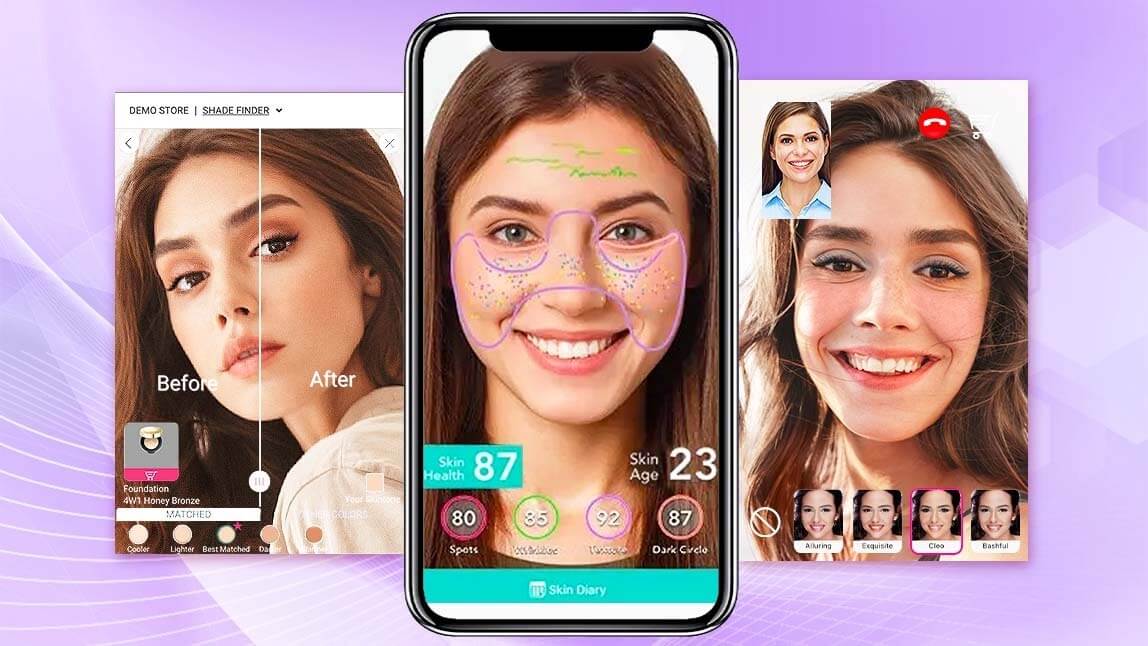
Perfect Corp's AI Face Analyzer evaluates 11 key facial proportions, including facial thirds, fifths and symmetry, and is offered as a web module, API, mobile app SDK or in-store consultation tool, so you can bring it into the channel your clients already use. Teams that want to try a proportion readout first can test the golden ratio face calculator.
For Step 5, Aesthetic Simulation helps med spas and aesthetic clinics visualize 27 types of facial simulations across six facial zones on an iOS device, with a proportion assessment, client scan history and reports.
Bring Facial Analysis Into Your Aesthetic Consultations
Perfect Corp can help your clinic or brand add facial analysis and treatment visualization to consultations in a way that fits your workflow and privacy requirements. Talk with our team about the deployment option that suits your practice.